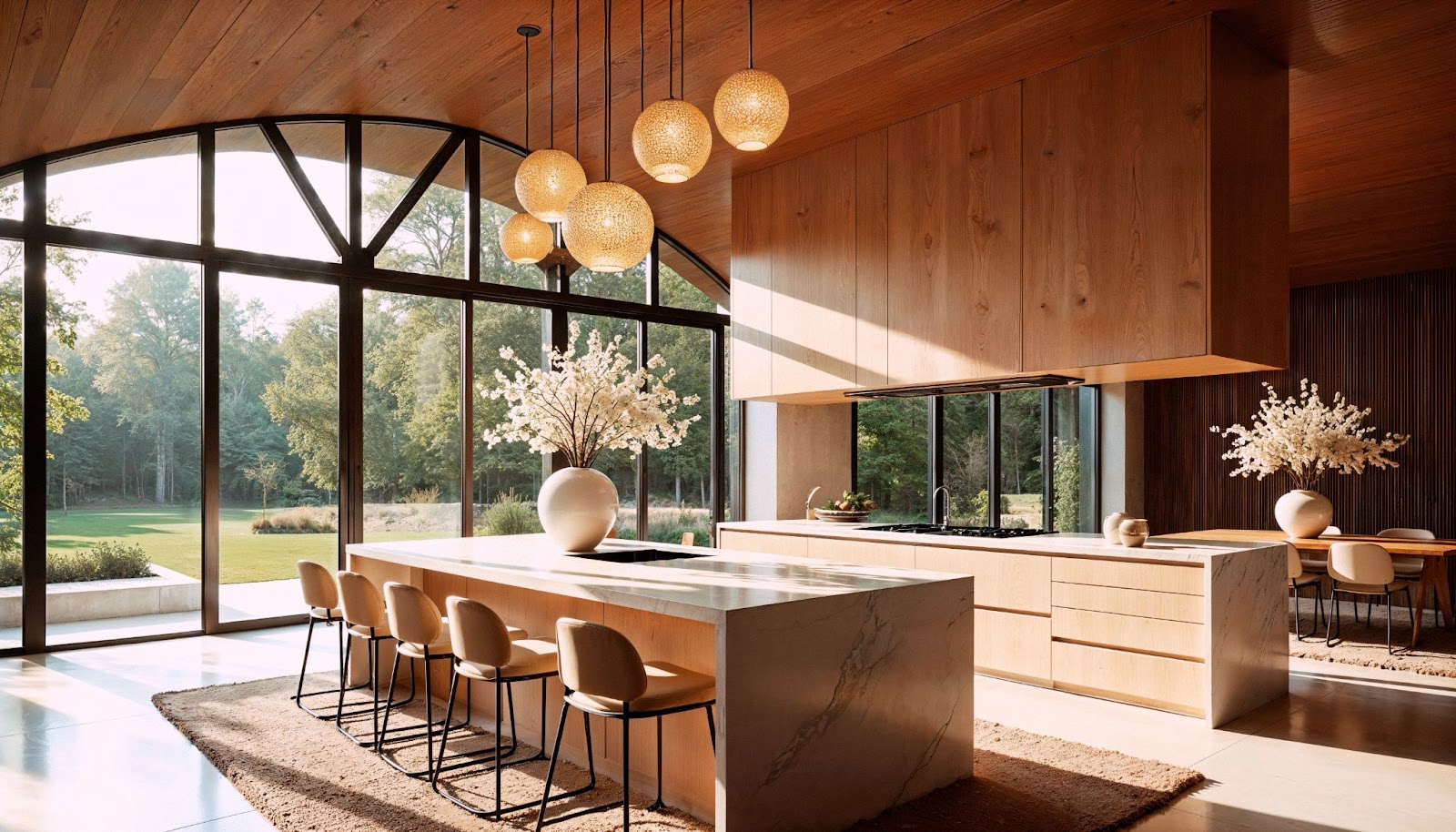
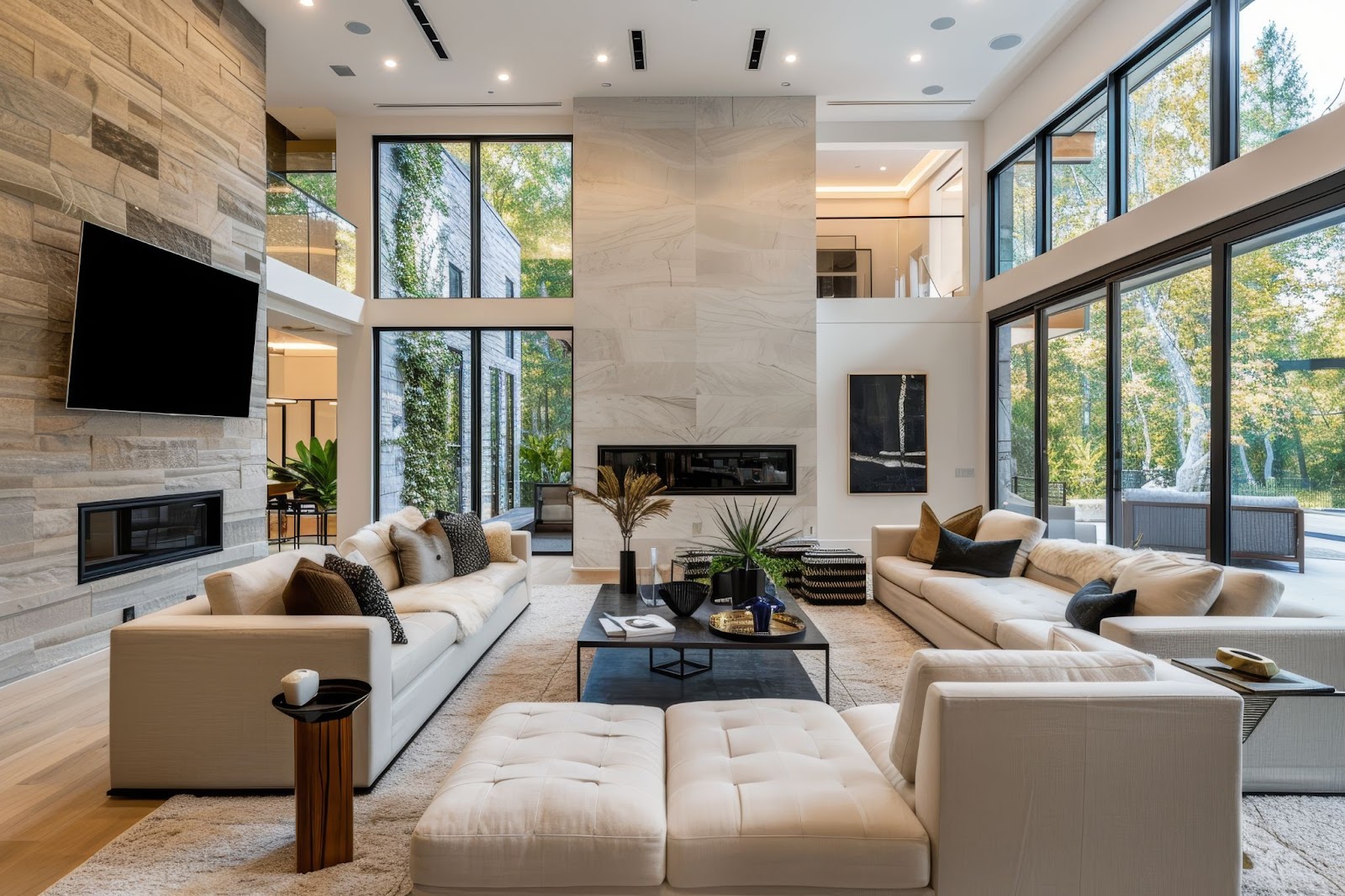
Blending modern design with classic architecture is both an art and a science. Homeowners seeking the comfort and function of modern living often find themselves drawn to the character, craftsmanship, and charm of classic homes. Whether it’s a historic Tudor, a timeless Colonial, or a mid-century ranch, preserving architectural integrity while incorporating contemporary elements is a challenge worth embracing.
At Patterson Development, we specialize in luxury renovations that honor the past while embracing the future. Here’s how we approach blending modern design with classic architecture in a way that feels seamless, elegant, and personal.
1. Respect the Home’s Original Character
Every classic home tells a story. Before making any design decisions, it’s important to understand the architectural style of the home and its defining features. This might include:
- Original moldings, wainscoting, or coffered ceilings
- Hardwood floors and antique fixtures
- Symmetrical facades or ornate trims
- Historic materials like brick, stone, or plaster
Preserving these elements not only maintains the home’s character but also adds value and authenticity to your renovation. Rather than replacing them, consider ways to highlight or restore them.
Pro Tip: Start with a comprehensive evaluation of the property. Identify what must stay, what can be restored, and what can be modernized.
2. Use Contrast to Your Advantage
When done correctly, contrast creates harmony. Modern elements can actually enhance the beauty of traditional architecture by providing a clean, minimal backdrop that allows classic details to shine.
For example:
- Pair sleek, frameless cabinetry with ornate crown molding
- Combine traditional hardwood floors with minimalist lighting
- Install large glass doors or windows near rooms with intricate ceiling medallions or woodwork
The juxtaposition of old and new not only makes a design feel current—it adds visual interest and depth.
3. Unify with a Cohesive Color Palette
One of the simplest ways to merge modern and classic design is through color. A neutral, cohesive palette acts as a bridge between the two styles. Think soft whites, warm greys, and muted earth tones that allow architectural details to stand out without competing with bold colors.
That said, a pop of modern color—deep navy, matte black, or forest green—can add drama and a contemporary edge when used selectively, such as on kitchen cabinets or accent walls.
4. Modernize Function, Preserve Form
Classic homes weren’t built for today’s lifestyles—but that doesn’t mean we need to sacrifice form to achieve function. The key is to integrate modern conveniences in a way that feels intentional and invisible.
- Kitchen & Bath: These are often the most transformed spaces. A modern kitchen with smart appliances, stone countertops, and under-cabinet lighting can still feel timeless when paired with shaker cabinets or vintage hardware.
- Smart Home Tech: Conceal smart thermostats, speakers, and security systems within architectural elements so they don’t disrupt the aesthetic.
- Open Floor Plans: Many older homes have compartmentalized layouts. Opening up walls can modernize the flow while keeping original features like exposed beams, transoms, or arched doorways intact.
At Patterson Development, we work closely with clients to redesign spaces that meet modern needs while respecting the home’s original intent.

5. Incorporate Authentic Materials
Material selection plays a crucial role in tying modern renovations to classic architecture. Choosing high-quality, natural materials creates a sense of continuity and timelessness.
Examples include:
- Reclaimed wood for beams or flooring
- Natural stone for countertops, fireplaces, or entryways
- Aged brass or oil-rubbed bronze fixtures
- Hand-made tile or terrazzo
Blending these with more modern finishes like glass, steel, and concrete adds layers of texture while preserving authenticity.
6. Balance Proportions and Scale
Modern design often leans into minimalism and large, open spaces, while traditional homes tend to feature more compact rooms and vertical details. A successful blend depends on maintaining balance.
If you’re introducing large modern windows or open shelving, echo the proportions of original architectural elements nearby. Likewise, when adding new built-ins or cabinetry, use millwork and trim styles that echo the original era.
This thoughtful balance ensures that nothing feels out of place or overly dominant in the space.
7. Update Lighting Thoughtfully
Lighting is one of the most transformative elements in any renovation. In classic homes, you may find ornate chandeliers or antique sconces. In modern design, lighting tends to be more sculptural and minimal.
Why not have both?
- Hang a contemporary chandelier in a formal dining room with traditional paneling.
- Add recessed lighting or LED strips in a historic library to bring warmth and clarity.
- Use pendant lighting in modern shapes but finished in aged brass or bronze.
Lighting can be a statement piece that ties old and new together while improving the functionality and ambiance of each space.
8. Keep the Exterior True to Its Roots
While interior updates are important, the exterior often defines a home’s first impression. Renovations should enhance—not erase—the home’s original curb appeal.
Ways to blend modern updates without losing classic charm include:
- Repainting with historically appropriate colors
- Adding subtle modern touches like sleek house numbers, contemporary lighting, or minimalist landscaping
- Replacing outdated windows or doors with modern energy-efficient versions that mimic the original style
The goal is to modernize the home’s performance while keeping its architectural integrity intact.
9. Collaborate with Experts
Blending modern and classic styles successfully requires the skill and vision of experienced designers, architects, and builders. At Patterson Development, we’ve spent over 30 years mastering the art of renovation—from restoring century-old homes to building new spaces with traditional charm.
We take the time to understand each home’s story and our client’s lifestyle needs. Through close collaboration, careful planning, and impeccable craftsmanship, we bring timeless beauty and modern comfort together in perfect harmony.

Final Thoughts
When you blend modern design with classic architecture, you get the best of both worlds: timeless character and contemporary comfort. It’s not about erasing the past—it’s about respecting it, enhancing it, and ensuring your home grows with you.
Whether you’re updating a single room or reimagining your entire home, the right approach can create a space that is elegant, functional, and uniquely yours.
Ready to start your renovation journey?
Let Patterson Development help you bring your vision to life with expertise, precision, and care. From thoughtful design to flawless execution, we’re here to transform your space while honoring the charm that made you fall in love with it in the first place.
Contact us today to schedule a consultation.